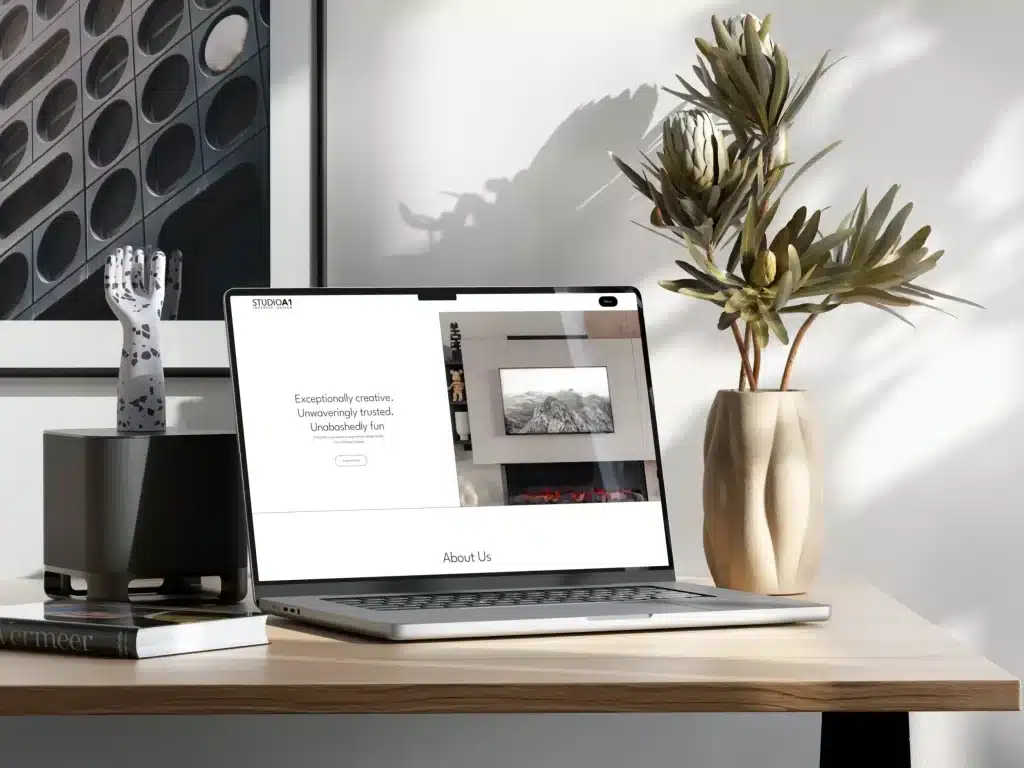
How NKM Digital redesigned Style & Serum, connected search visibility with buyer-focused content, and built a digital system for affiliate revenue and owned-audience growth.
Style & Serum had a premium editorial idea, but it needed a stronger digital growth system. The business earns commissions when readers discover trustworthy fashion, grooming and wellness guidance and then purchase through affiliate links. To grow, the website needed to do more than look polished: it had to attract commercially relevant traffic, help readers make buying decisions, convert interest into affiliate clicks, and capture subscribers for future email marketing.
NKM Digital redesigned the website around that complete journey. We clarified the editorial positioning, improved the content and conversion paths, strengthened newsletter visibility, optimized the experience across screen sizes, and built the technical foundations for search engines and AI discovery systems to understand the site.
After launch, the work continued through buyer-intent keyword research, search optimization and high-quality guest-post activity. According to the client, the website began attracting substantially more traffic within a few months, readers started purchasing through affiliate links, and newsletter registrations began growing. These outcomes turned the website from a content destination into a multi-channel commercial asset.
Search-led editorial content now guides high-intent readers toward relevant affiliate products.
Clear newsletter calls to action create an email audience the brand can nurture beyond a single visit.
Technical SEO, content architecture, guest posts and AI-readable assets support continued discovery.
Style & Serum operates in competitive categories where large publishers, established retailers and experienced creators already compete for attention. A visually attractive redesign could improve perception, but design alone would not create a reliable return.
The commercial challenge had four connected parts:
The website therefore needed to function as both an editorial brand and a measurable acquisition system.
An affiliate website creates value when it helps a person move from uncertainty to a confident buying decision. That requires more than publishing a large volume of content. The site must attract the right question, provide useful evidence, make the next action obvious, and preserve the relationship when the visitor is not ready to buy.
We designed the growth model around two complementary paths:
This meant SEO, design, conversion and email could not be treated as separate deliverables. They had to reinforce one another.
Style & Serum needed a platform capable of supporting a growing library of reviews, comparisons, buying guides, categories, recommendation pages and product-related content. WordPress provided the publishing flexibility, while WooCommerce supported structured product content and commercial pathways.
The architecture also made it possible to:
The platform choice supported the real business model: publish, rank, educate, convert and retain.
We redesigned the website to feel credible, selective and commercially useful. The visual system supports premium products without becoming decorative or distracting. Clear typography, disciplined spacing, editorial imagery and restrained layouts allow the recommendations to remain the focus.
The current experience communicates a distinct point of view: menswear that earns its price, supported by practical guidance on materials, fit, use and value. That positioning gives the site a reason to be trusted beyond the presence of affiliate links.
Affiliate revenue depends on making the commercial next step easy without damaging reader trust. We improved the hierarchy of articles and commercial pages so product links, buying options and recommendation pathways are visible in context.
Calls to action are placed where a reader has enough information to act—not merely repeated everywhere. The goal is to help visitors progress from research to a relevant product choice while preserving the editorial credibility of the brand.
Search traffic is valuable, but the relationship usually ends when the visitor leaves. We made newsletter registration a clear part of the website journey so Style & Serum could build an audience it owns.
The newsletter creates a second commercial channel. Instead of depending on a reader to return through another search, the brand can share new guides, timely recommendations, product updates and offers directly through email. This increases the potential value of every qualified visit.
After the redesign, we researched the questions, comparisons and product terms people use when they are closer to making a buying decision. The objective was not traffic for its own sake. It was to reach readers whose intent aligned with Style & Serum’s affiliate model.
This informed content across reviews, “best of” guides, brand comparisons, fit and fabric questions, product categories and problem-aware searches. The current site reflects that breadth, with content ranging from premium menswear and natural-fibre guides to grooming, skincare and wellness recommendations.
We built the foundations required for the site’s content to be crawled, understood and surfaced. The live property currently exposes XML sitemaps, structured data, indexable editorial and product content, and an llms.txt file that helps AI systems interpret the site’s public content structure.
The visible implementation includes 125 post URLs, 33 product URLs and dedicated pages for testing methodology, brands, recommendations and affiliate transparency as of 20 October 2026. This creates a stronger information ecosystem than a collection of disconnected articles.
On-site optimization was supported by high-quality guest-post activity designed to strengthen topical relevance, brand awareness and the site’s wider authority. The purpose was not simply to create backlinks at scale. It was to place Style & Serum in relevant contexts and reinforce the subjects the business wants to own.
This work supports a compounding model: stronger content earns more discovery, useful external mentions increase trust and authority, and both channels feed qualified visitors into the website’s conversion system.
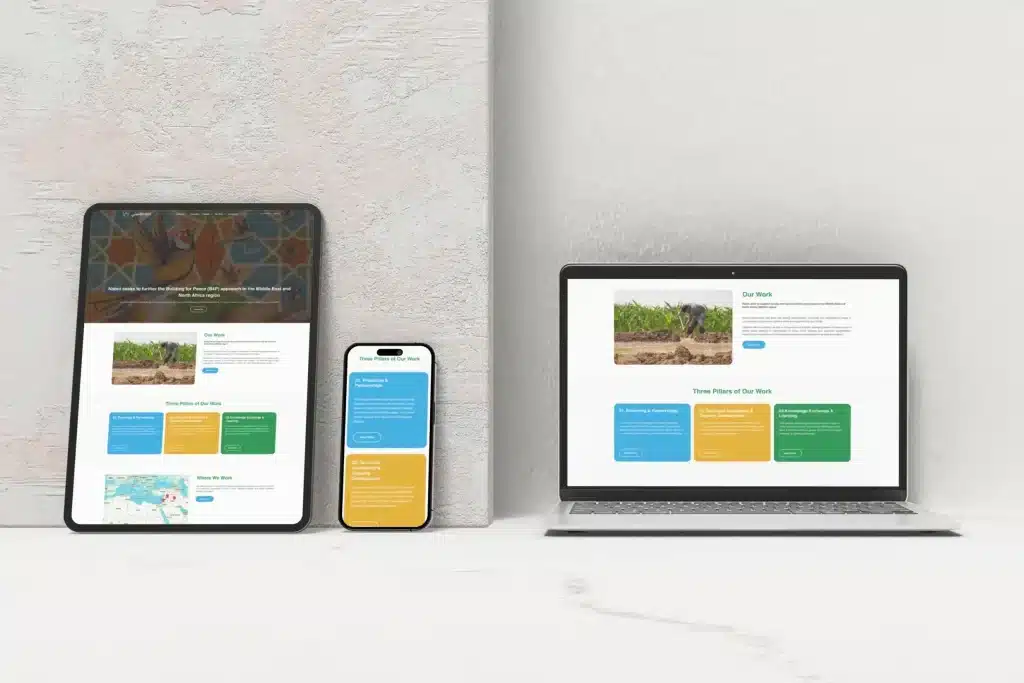
Affiliate readers often arrive from search on mobile devices, so the experience had to remain fast and usable across conventional phones, foldable screens, tablets and desktops. We optimized layouts, content hierarchy and interaction patterns to keep articles readable and calls to action accessible across device sizes.
Performance and responsiveness were treated as business requirements. A slow or awkward page does not only create a design problem; it can cost an affiliate click, a subscription and the trust required for a recommendation.
We added Microsoft Clarity, according to the client brief, to observe how visitors move through the website. Heatmaps and interaction recordings can reveal where readers stop, which elements attract attention and where a call to action is being missed.
This creates an ongoing optimization loop: attract qualified traffic, observe behavior, identify friction, improve the experience and measure again. The website is therefore not a one-time redesign; it is an asset that can become more efficient as real user behavior accumulates.
A website that needed stronger alignment with a premium editorial and affiliate model.
A clear editorial identity built around product value, practical guidance and trusted recommendations.
Limited organic visibility for commercially relevant searches.
A buyer-intent SEO program supported by structured content, technical foundations and authority building.
Product interest depended primarily on visitors acting during a single session.
Two conversion paths: affiliate purchase opportunities now, and newsletter nurture for future offers.
Calls to action and newsletter growth were not the central organizing logic of the experience.
Contextual product CTAs and visible newsletter capture are embedded throughout the user journey.
Limited visibility into where readers disengaged.
Behavioral analytics provide a practical method for detecting friction and improving conversion pathways.
Search optimization focused mainly on conventional discovery.
XML sitemaps, structured data and llms.txt support both search-engine crawling and AI-readable discovery.
The most important result is not a single design improvement. Style & Serum now has a connected commercial system in which content, search, affiliate conversion and email growth support one another.
According to the client, the site began receiving a substantially higher volume of traffic within a few months. Visitors started purchasing through affiliate links, and newsletter registrations began to grow. Although the client did not provide audited numerical figures for this case study, the reported direction of change aligns with the two-path model the website was designed to create.
The current live property also provides observable evidence of scale and structure: an extensive editorial library, dedicated product content, category pathways, clear affiliate disclosure, a published testing methodology, newsletter capture, structured data, crawlable sitemaps and an AI-readable llms.txt file.
Instead of relying on a single campaign or one-time website launch, Style & Serum now has an engine designed to compound: more useful content creates more discovery, more discovery creates more affiliate and subscriber opportunities, and more behavioral data supports better conversion decisions.
Style & Serum shows that an affiliate website should not be treated as a blog with product links added later. It should be designed as an integrated revenue system.
For every similar project, NKM Digital asks four commercial questions:
Answering those questions turns design, SEO and email capture into one connected growth strategy.
If your business depends on organic discovery, recommendations or content-led sales, a good-looking website is only the starting point. NKM Digital connects positioning, SEO, conversion paths, email capture and behavioral insight so the website can create measurable commercial opportunities over time.
Results and source note. Website structure, public content, affiliate disclosure, newsletter capture, sitemaps, structured data and llms.txt were observed on the live Style & Serum website on 20 October 2026. Traffic growth, affiliate purchases, newsletter growth, Microsoft Clarity implementation and the project timeline are based on the client brief supplied to NKM Digital and were not independently audited for this document. Search rankings and visibility in specific AI products can change by query, location, personalization and date; this case study describes the optimization system and the client-reported outcomes without guaranteeing future rankings or revenue.