How Much Should a Small Business Website Cost in 2026?
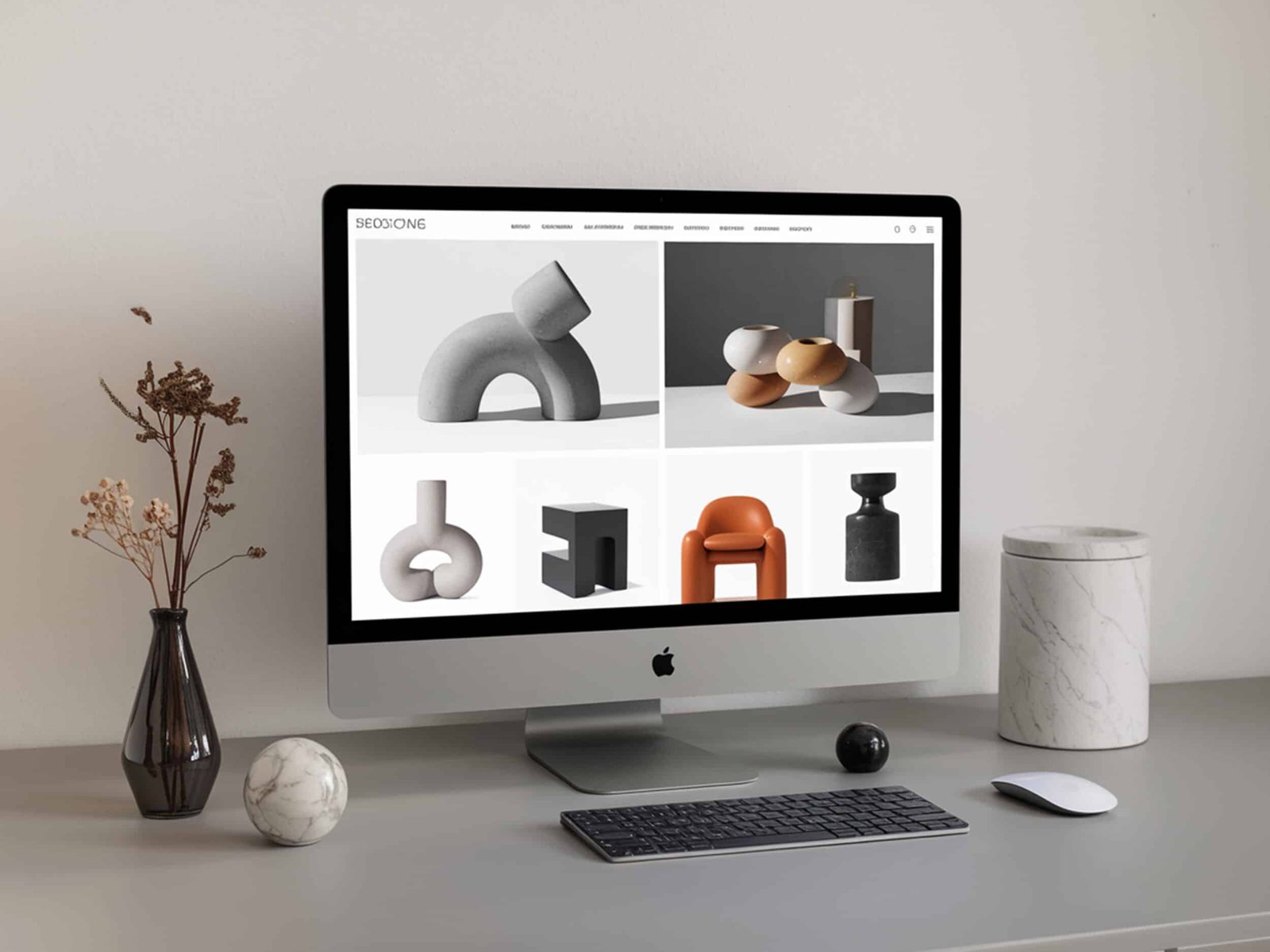
For small-scale entrepreneurs, bringing their business online or updating an outdated website could be overwhelming. You’re aware that you require a website that generates leads and also represents your brand; however, when you begin searching for quotes, you face an unsettling reality:
One provider quotes you $200. Another one quotes $2,500. Another tells you that it’ll cost you $10,000+.
What is the reason for such an enormous gap? What’s more important is how much a tiny site for business should actually cost in the year 2026.
A website isn’t simply a business card for your digital presence It is now your primary salesperson, your trust builder, and the underlying element of your marketing initiatives online. The real value of a website is based on its structure and design complexity, as well as its content management system (CMS) that powers it.
The Pricing Reality of 2026 Basic and Advanced Websites
To help you plan your budget, we’ll break down the actual market rates for professional small business web design services based on the exact requirements and goals you have in mind.
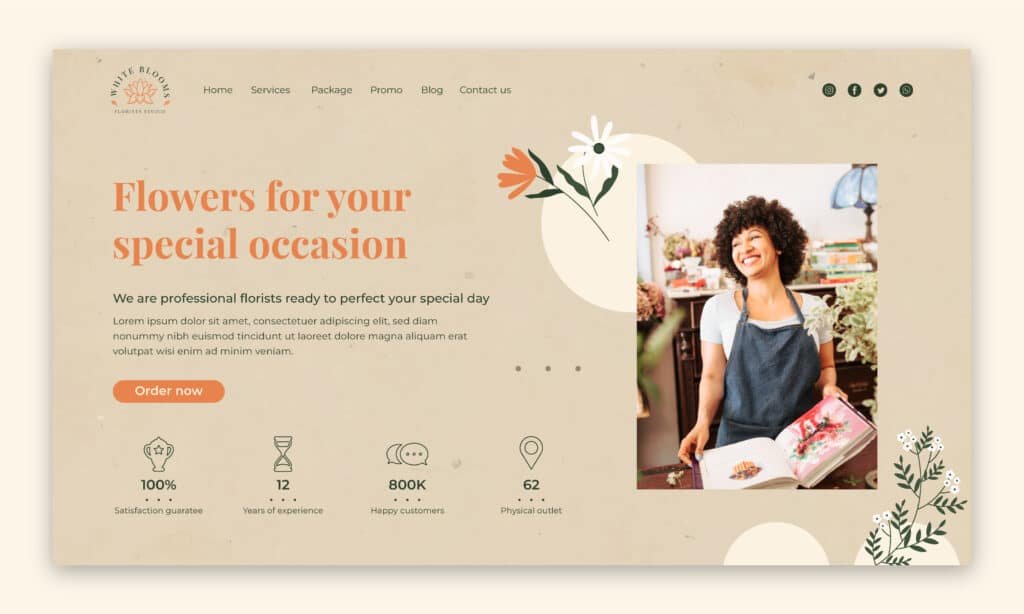
Scenario A: The Core Business Website (5-6 Pages)
Imagine you run a local service business, a consultancy, or a professional firm. You require a clean and fast website that has five to six core pages (Home, About, Services, Blog, and Contact) and a fully functional blog management system and essential features like the following:
- Secure contact forms for contacts
- Integration of social media
- Direct WhatsApp click-to-chat feature
- SEO on-page basics setting
Here’s how the cost will be broken into platforms in 2026:
WordPress Solution: $1,200 to $1,500 USD
WordPress is still the mainstay of the internet. It’s highly adaptable, affordable, efficient, and suitable for business websites that rely on content.
Webflow or Framer Solution: $2,500 to $3,000 USD
Modern platforms such as Webflow and Framer have a higher initial cost since they offer designers full access to the visual code. This lets you create custom layouts, advanced animations, and an incredible user experience, which instantly positions your company as an industry-leading company.
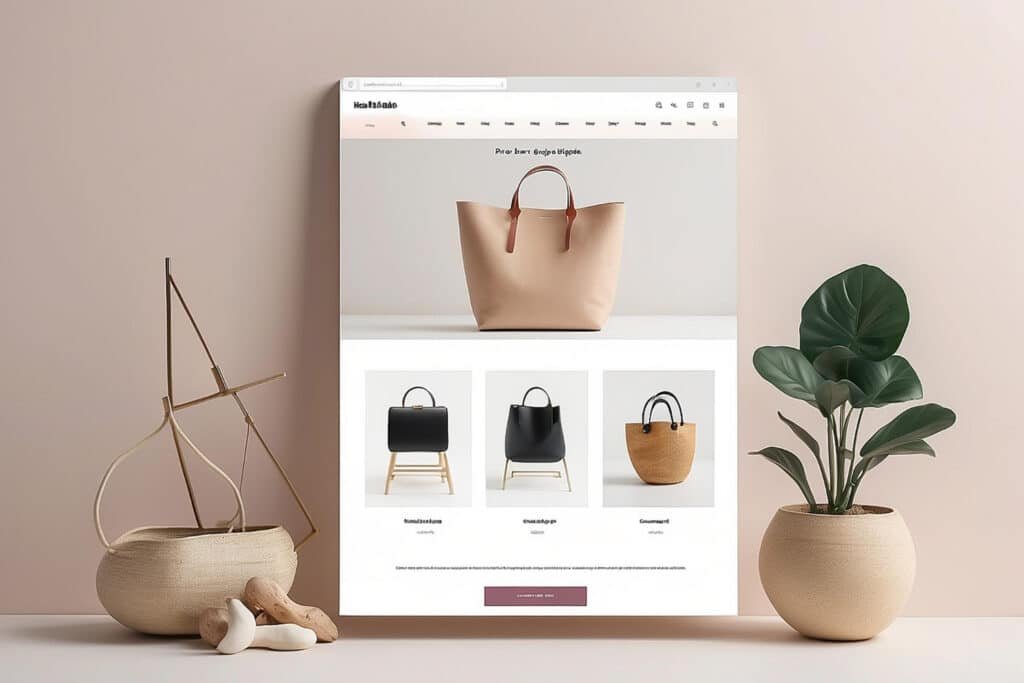
Scenario B: The E-Commerce Platform or Advanced Functionality Website
If your business model demands users to purchase directly from your company, schedule appointments, or connect to an online portal that is secure, this can be a significant increase in complexity. There is no longer a simple process of displaying information. You are creating an interactive engine that handles data inventory, financial, and other transactions.
- WordPress (WooCommerce): Starts at $4,000+
- Webflow/Framer: Available from $8,000 up to $10,000+
The cost of this tier is contingent on the quantity of your product catalog, integrations with shipping systems and customer account complexity and custom workflows that you can automate.
The Trap of the $200 Marketplace Website
It’s normal to think, “If I can go to marketplaces such as Fiverr or Upwork and hire someone to create a site at a cost of $200, then why would I spend thousands of dollars?”
It’s a valid issue, but it is helpful to understand what the $200 is actually buying.
When a freelancer costs $200 for a site, the business model they have in place is solely on the volume of business and speed. They aren’t able to afford spending long hours researching your business, your ideal customers, or the unique value proposition you offer.
Instead, they install a generic, pre-built WordPress theme, replace the placeholder text for your own content, then transfer it to you. There is no customisation, no performance optimization and no strategically designed design. It is the digital equivalent of giving a basic prompt to an AI tool: generic, sterile, and indistinguishable from thousands of other businesses.
Additionally, these budget sites typically have structural issues that cause them to fail:
- Ineffective SEO: These sites don’t have the proper semantic HTML schema tags and hierarchy necessary to be ranked on search engines.
- Slow loading speeds: Unoptimized, heavy themes that are pre-built frustrate users and lead to high bounce rates.
- Security vulnerabilities: Poorly designed plugins make your company vulnerable to security breach.
If a website is unable to draw in people to visit or convert them into customers, even a $200 price label can be a costly mistake.
Related Blog Post: SEO for eCommerce: The Ultimate Guide to Boost Sales
How NKM Digital Builds Value (Not Just Code)
At NKM Digital, we approach web design services for small business with a deeply collaborative lens. We realize that your site is the reflection of the hard work you’ve put into it, and we consider it a genuine partnership. We don’t believe in mass-produced templates — we believe in customized digital ecosystems.
Our co-design and process for development is crafted around your absolute trust:
1. The Strategic Discovery
Before we write one line of code or sketch a single concept, we meet with you. We discuss the story of your business, research your competitors, and explain the exact requirements your customers are looking for when they require your assistance.
2. Custom Visual Prototyping
We create the exact layout of your website by hand using the latest design tools such as Figma and Penpot. You will be able to visualize exactly the way your website will appear as it appears on mobile and desktop before you begin any development.
3. Iterative Feedback & Transparency
We will be with you at each step of the process. Following each draft of the design, we conduct an open-ended review session to collect your comments, make adjustments, and ensure that the brand’s visual identity matches perfectly with your goals.
4. Expert Development & SEO Foundations
After you have approved the design, we build it on your preferred platform, whether that’s the powerful flexibility offered by WordPress or the extremely responsive, fluid motion design used by Webflow, as well as Framer. Each website we build comes with clean, clean code and quick load speeds, as well as the fundamental SEO optimization that gives your brand the exposure it deserves.
Your Next Step
Websites should serve as a resource that helps you earn money all day and night, and not an area of stress. If you’re looking to take your business online with an organization that is committed to the growth of your business like you, let’s create something wonderful together.
Are you ready to change your online presence?
Make a plan call via the Contact Us page today, and let’s talk about how we can make your vision digitally accessible and a reality.
Frequently Asked Questions (FAQs) related to Small Business Website Cost in 2026
Why does a custom Webflow or Framer website cost more upfront than a WordPress website?
The price difference comes down to design freedom and structural code quality. WordPress relies heavily on pre-existing theme frameworks and plugins to handle visual layouts. While highly cost-effective, it can sometimes limit unique brand styling.
Platforms like Webflow and Framer give designers total, pixel-perfect control over the user interface without restrictive templates. This allows us to build fluid, high-end visual animations and lightning-fast loading experiences custom-fit to your brand. Additionally, because Webflow and Framer write extremely clean, lightweight code behind the scenes, these websites naturally offer superior security and exceptional performance on mobile screens right out of the box.
Are there any monthly or annual hidden fees I should expect after my website launches?
Yes, every small business website requires foundational recurring costs to stay live and secure. These include your Domain Name Registration (your web address, usually $10–$35/year) and Web Hosting (the cloud storage space for your site, ranging from $15–$50+/month depending on your traffic and chosen CMS platform).
Additionally, if you use advanced features, you may have small subscriptions for premium contact form extensions, third-party appointment calendars, or specialized e-commerce security protocols. When budgeting, it is always best to set aside a minor monthly baseline for continuous technical updates and platform hosting.
How long does it take for a new small business website to pay for itself?
For most business owners, a professionally developed website functions as a long-term revenue tool rather than a quick expense. When built with custom search optimization foundations and clear user conversion paths, many clients begin seeing a noticeable increase in qualified inquiries, phone calls, and digital leads within the first 3 to 6 months of going live.
By bypassing generic templates and optimizing your layout for exactly what your target market is searching for, the site steadily lowers your customer acquisition costs, helping the initial investment pay for itself many times over.
What happens if I want to add an online store or advanced features to my website down the road?
This is why choosing the correct core platform during your initial project build is so vital. If your website is built on a scalable architecture like WordPress or Webflow, adding advanced modules, such as an online retail store, member log-in portals, or complex booking integrations, is entirely doable without needing to scrap your existing layout.
However, if you buy into ultra-cheap marketplace templates or closed DIY platforms, expanding your features later often causes the system code to break, meaning you have to pay to rebuild the entire architecture from scratch. Planning for future growth from day one always saves you money in the long run.
Contact Us
Ready to elevate
your brand with NKM Digital?
Get in touch with us today!
Let's collaborate and bring your digital vision to life!